Grid Modernization and Capital Investment Reshape Energy Outlook for U.S. Virgin Islands
Federal funding and private capital converge to overhaul the U.S. Virgin Islands' power grid, accelerating renewable integration and reducing fossil fuel reliance.

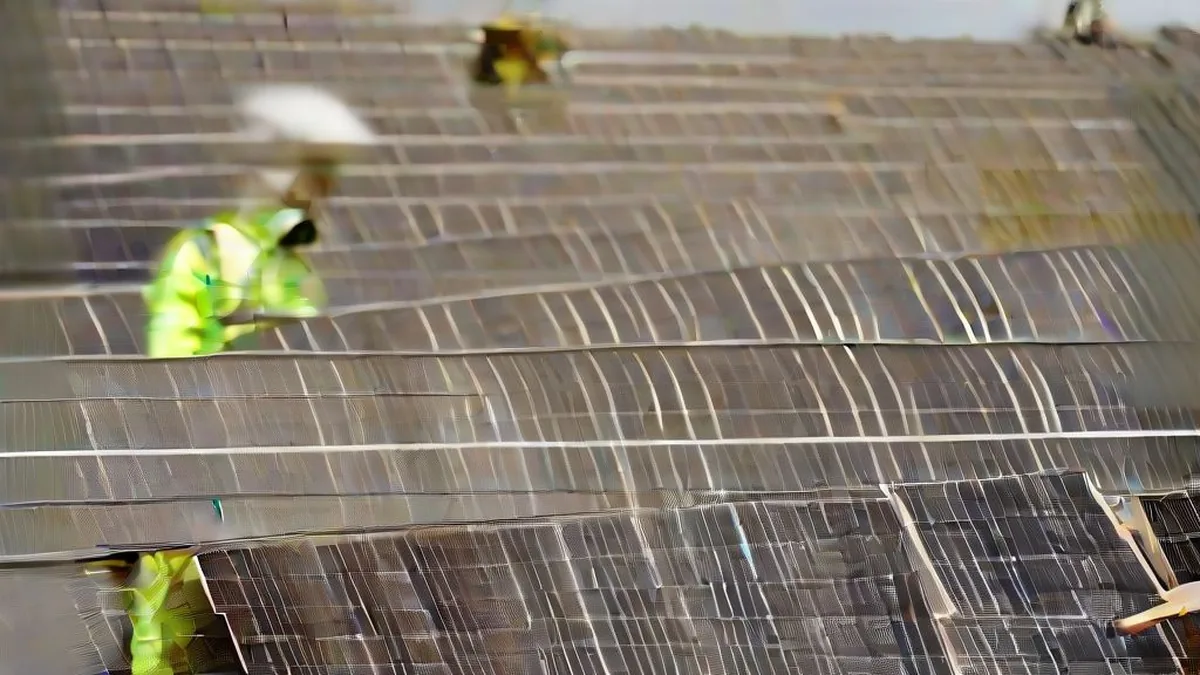
For decades, the territory’s electricity supply has been tethered to volatile imported fuel oil, creating chronic fiscal burdens for the Virgin Islands Water and Power Authority (WAPA) and generating some of the highest residential and industrial power rates in the United States. Today, structural energy transition initiatives are gaining tangible momentum as capital deployment shifts toward solar generation, utility-scale battery energy storage systems (BESS), and microgrid redundancy.
Shifting Capital Toward Resilient Infrastructure
The territory's energy transition is backed by substantial federal support, including allocations from the Federal Emergency Management Agency (FEMA) and programmatic backing from the U.S. Department of Energy’s Grid Deployment Office. These funding tranches aim to address persistent grid vulnerabilities that were laid bare by catastrophic hurricane seasons over the past decade.
Key strategic initiatives currently under evaluation and deployment include:
* Distributed Solar and Storage Installations: Rapid deployment of multi-megawatt ground-mount solar arrays paired with commercial lithium-iron-phosphate battery storage across St. Thomas, St. Croix, and St. John. * Microgrid Segmentation: Decentralizing island circuits into islanded microgrids capable of autonomous operation during severe meteorological disruptions. * Thermal Generation Transition: Retiring legacy diesel generators in favor of high-efficiency, dual-fuel flexible generation units capable of running on liquefied petroleum gas (LPG) and renewable diesel blends. * Substation Hardening and Undergrounding: Undergrounding strategic high-voltage feeder lines to mitigate wind damage and lower long-term operations and maintenance expenditures.
Financial and Sovereign Risk Dynamics
From an institutional investor perspective, modernizing island energy systems presents both capital opportunities and credit profile challenges. High electricity input costs have historically compressed territorial operating margins across tourism, healthcare, and retail sectors, while placing recurrent strain on municipal liquidity.
Market strategists note that transitioning from variable fossil fuel operational expenditures (OpEx) toward front-loaded, federally subsidized capital expenditures (CapEx) fundamentally shifts the territory's sovereign credit calculus. By establishing long-term power purchase agreements (PPAs) at predictable unit costs, the local economy can insulate itself against global commodity price spikes.
Moreover, the introduction of private developers under independent power producer (IPP) contracts is introducing institutional governance discipline to the local power sector, reassuring credit rating agencies that long-deferred infrastructure maintenance is being addressed.
The Broader Caribbean Macroeconomic Context
The operational shifts underway in the U.S. Virgin Islands mirror a broader trend across the Caribbean basin, where small island developing states and non-contiguous territories are striving to decouple economic growth from international bunker fuel markets.
As federal compliance deadlines approach and procurement frameworks formalize, the region is serving as a proving ground for extreme-weather-rated clean energy technology. If the territory successfully executes its multi-phase energy transition over the coming fiscal cycles, it could establish a repeatable financial and engineering blueprint for isolated grid markets globally.
About Marcus Vance
Chief Financial Editor & Global Markets Strategist
Chief Financial Editor and senior markets strategist covering Wall Street, macroeconomic policy, corporate finance, and global trade for Finance News 365.


