Chipotle Posts Higher Revenue as In-Store Efficiency and Foot Traffic Lift Same-Restaurant Sales
Chipotle Mexican Grill posted robust top-line revenue expansion driven by accelerating comparable restaurant sales and disciplined operational throughput.

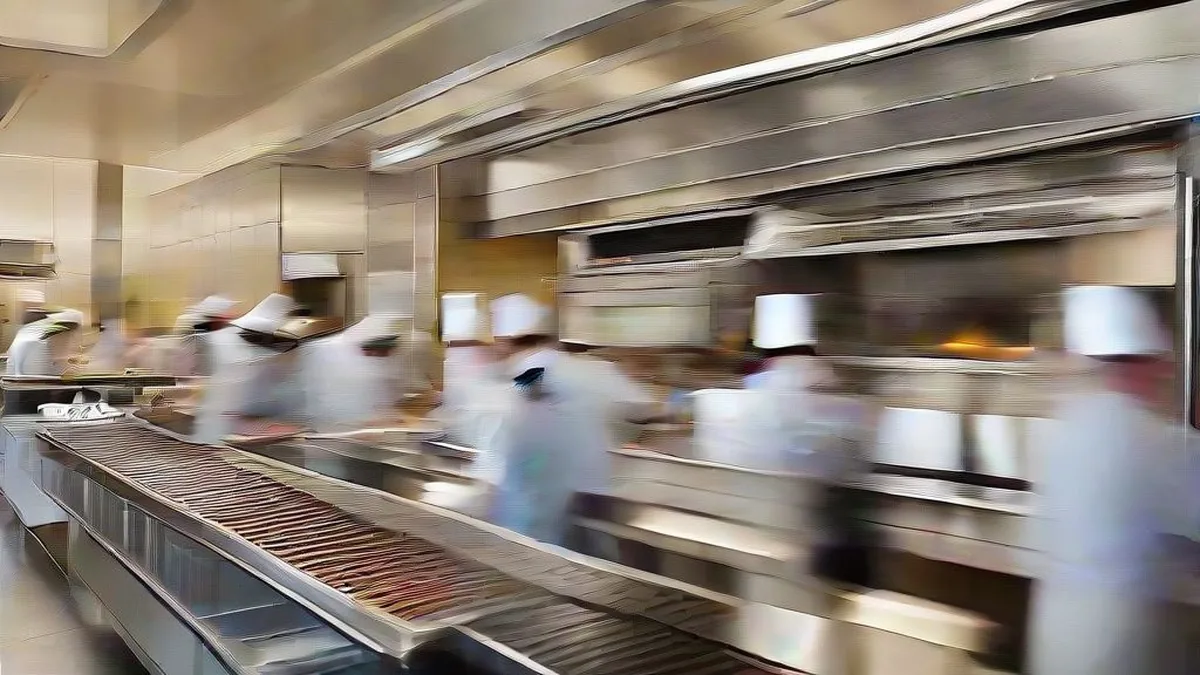
Investors and sector analysts closely monitored the print to gauge whether core fast-casual consumers are sustaining discretionary spending amid cumulative inflation across food away from home. Chipotle's operational metrics indicated that sustained foot traffic, coupled with throughput initiatives at the point of sale, continued to support top-line momentum.
Throughput and Operational Discipline
Central to Chipotle’s operational strategy has been an intensive focus on counter throughput—the speed at which crew members process customer orders down the assembly line during peak lunch and dinner dayparts. Management has placed renewed emphasis on foundational restaurant execution, including consistent staffing of the front service line and dedicated digital order fulfillment teams.
By unbottlenecking the ordering process during high-volume periods, restaurant-level teams have captured incremental transactions that might otherwise have been abandoned during heavy queue times. Key operational drivers highlighted across the period include:
* Line Velocity: Systematic deployment of dedicated team roles during peak 12:00–1:30 PM and 6:00–7:30 PM rush hours. * Digital Order Make-Lines: Segregating app-driven pickup and delivery orders from in-store walk-in traffic to avoid kitchen bottlenecks. * Supply Chain Efficiencies: Ongoing menu cost management that mitigated localized ingredient cost volatility.
Consumer Resiliency in Fast-Casual Dining
Chipotle’s performance stands out in an uneven landscape for the broader food and restaurant industry. While traditional quick-service chains have leaned heavily into aggressive discount bundling to counter traffic softness among lower-income demographics, Chipotle’s customer base has shown structural resilience.
The brand’s higher-income demographic skew has provided a relative buffer against broader macroeconomic headwinds. Customers have demonstrated an ongoing willingness to pay for premium protein add-ons and side orders, supporting steady average check sizes alongside transaction volume gains.
Unit Expansion and Long-Term Horizon
Beyond existing unit economics, Chipotle continues to execute an aggressive footprint expansion across suburban and secondary markets. The rollout of its drive-thru pickup format, designed specifically for rapid order retrieval rather than traditional lane ordering, remains a primary vehicle for capital allocation.
These high-margin digital pickup channels typically generate higher average unit volumes and accelerated cash-on-cash returns compared to non-drive-thru formats. Financial markets continue to track the firm's long-term target of scaling its North American footprint toward 7,000 locations, supported by healthy balance sheet liquidity and self-funded capital expenditures.
As the restaurant sector navigates shifting wage regulations and selective discretionary budgets, Chipotle’s combination of throughput speed, pricing power, and digital stickiness continues to set an operational benchmark across the casual dining industry.
About Marcus Vance
Chief Financial Editor & Global Markets Strategist
Chief Financial Editor and senior markets strategist covering Wall Street, macroeconomic policy, corporate finance, and global trade for Finance News 365.


